
 Call Us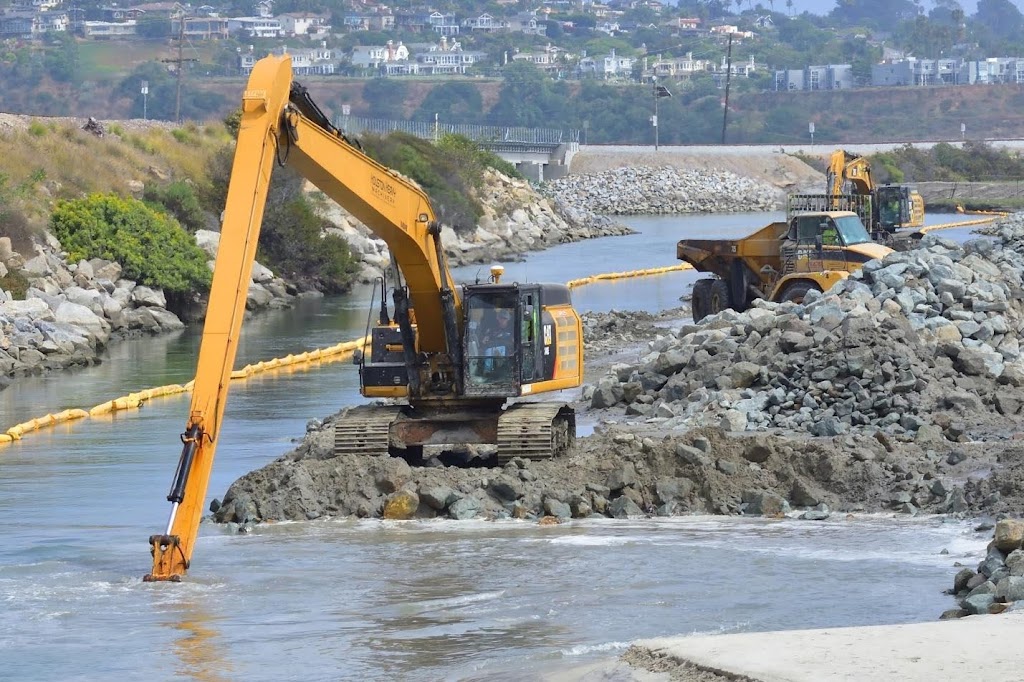
Why Timing Matters in Coastal Construction Projects
Coastal construction is not scheduled the same way as inland work. On marine and shoreline projects, the work plan has to account for tides, weather, access, environmental restrictions, and permit conditions. A good schedule is not just a list of activities. It is a constructability plan built around the site’s real working windows.
For contractors, owners, and designers, timing can be the difference between a controlled project and one that quickly becomes inefficient, expensive, or exposed to unnecessary risk.
Tides Control the Work Window
On many coastal projects, the tide determines when crews can safely and productively work. A task that looks simple on paper may only be possible during a limited low-tide window. That affects labor, equipment, inspections, concrete placement, access, and cleanup.
Unlike a typical upland project, a shoreline crew may not have a full eight-hour shift in the work area. The productive window may be only a few hours, and that window changes from day to day. This requires careful planning around daily tide charts, crew start times, equipment staging, and task sequencing.
For example, work involving revetments, seawalls, shoreline demolition, pile work, concrete repairs, or utility protection may need to be broken into smaller activities that can be completed, inspected, and secured before water returns to the area. If the work is not properly sequenced, the project can lose time simply remobilizing, protecting partially completed work, or reworking areas affected by water, sand movement, or access constraints.
The best coastal schedules identify the critical tide-dependent work early and plan the rest of the project around those windows.
Weather and Seasonal Conditions Matter
Weather is another major driver of coastal construction risk. Swell, wind, rain, storm surge, and high seasonal tides can all affect access, safety, temporary protection, and production.
A project that can be built efficiently during favorable conditions may require a very different approach during storm season. Temporary access roads, excavation limits, shoring, crane pads, barges, erosion control, and material staging all become more difficult when the site is exposed to wave action or saturated ground.
This is why experienced marine contractors pay close attention to the season in which work is being performed. Starting shoreline work late in the year may be technically possible, but it can increase the risk of weather delays, damaged temporary work, difficult dewatering, and added protection measures.
The issue is not just whether the permanent structure can withstand coastal conditions after it is complete. The larger question is whether the project can be safely and efficiently built while it is still temporary, exposed, and incomplete.
Environmental Windows Can Drive the Entire Schedule
Many coastal projects are subject to biological or environmental work windows. These restrictions may be tied to nesting birds, fish migration, eelgrass, wetlands, marine mammals, or other protected resources.
These windows are not minor scheduling details. They can control when demolition, pile driving, dredging, grading, vegetation removal, or in-water work may occur. Missing an environmental window can mean waiting weeks or months before work can resume.
That has major cost and risk implications. A partially completed site may need to be stabilized, protected, monitored, and maintained during the shutdown period. Equipment may need to be demobilized and brought back later. Subcontractors and suppliers may need to be rescheduled. In some cases, permits or agency approvals may need to be revisited.
A strong coastal construction plan starts with the permit conditions and environmental restrictions, then builds the schedule backward from those fixed dates.
Access and Mobilization Are Often More Complicated Than the Work Itself
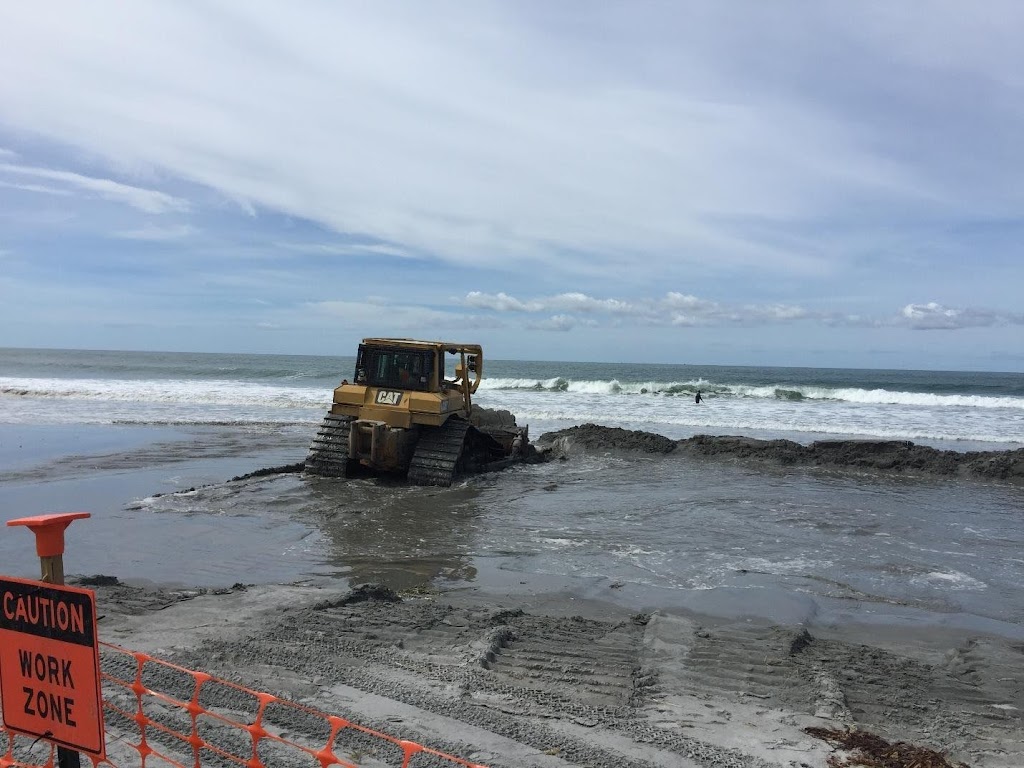
On coastal projects, getting to the work can be as difficult as performing the work. Beach access, public use areas, narrow roads, soft ground, limited staging areas, utilities, tide exposure, and agency restrictions can all affect how equipment and materials are brought to the site.
For heavy civil and marine work, this matters early. Cranes, excavators, barges, concrete trucks, pile-driving equipment, armor stone, sheet pile, forms, pumps, and temporary protection systems all need room to operate. If access is underestimated, the project can lose time before the first permanent work is even installed.
Good planning answers these questions before mobilization:
Can the equipment physically access the work area?
Is the access route usable during the planned tide and weather conditions?
Is there enough room to stage materials safely?
Will public access, traffic control, or agency restrictions limit work hours?
Can the site be secured before the tide or weather changes?
These are practical questions, but they often determine whether the schedule is realistic.
Temporary Work Is a Major Part of Coastal Construction
Owners often focus on the finished structure, but contractors know that temporary work can be one of the biggest challenges on a marine project.
Temporary shoring, cofferdams, turbidity curtains, access pads, crane mats, bypass pumping, erosion control, temporary fencing, and stormwater protection may all be needed before the permanent work can proceed. These systems must be designed and installed for the actual field conditions, not just the ideal conditions shown on the plans.
In coastal work, temporary systems are exposed to water, wave action, moving sand, soft soils, corrosion, and changing access. If they are not installed at the right time or maintained properly, they can affect safety, water quality, schedule, and cost.
The construction plan should clearly identify which temporary systems are required, when they must be installed, how they will be maintained, and how they will be removed without creating additional impacts.
Material Placement and Cure Times Require Careful Planning
Coastal conditions also affect materials. Concrete, grout, coatings, sealants, reinforcing steel, structural steel, timber, and geotextiles all perform differently when exposed to saltwater, moisture, temperature changes, and humidity.
Concrete placement is a good example. Marine concrete work must consider tide exposure, washout risk, form stability, curing conditions, inspection timing, and environmental protection. Coatings and sealants may require specific surface preparation, temperature ranges, humidity limits, and cure times.
The schedule has to allow enough time for materials to be placed, protected, cured, and inspected before they are exposed to water, traffic, load, or weather. Rushing this part of the work can create long-term durability problems that are much more expensive than the time saved.
Permit Timing Can Create Construction Risk
Permitting is often one of the longest parts of a coastal project. Local agencies, environmental regulators, water quality agencies, coastal commissions, harbor authorities, and federal agencies may all have a role depending on the project.
But receiving a permit does not always mean it is the right time to start construction. If the permit is issued near the end of a favorable work window, the owner and contractor need to decide whether starting immediately creates unnecessary risk.
Sometimes the better decision is to wait for the next appropriate construction window rather than force the project into a poor season. That decision may reduce weather exposure, improve production, avoid partial shutdowns, and lower the risk of temporary work failures.
A practical contractor will look beyond the permit date and evaluate whether the approved work can actually be built within the available window.
Land-Based Work vs. Barge-Based Work
One of the most important constructability decisions on a coastal project is whether the work should be performed from land, from the water, or using a combination of both.
Land-based access may be more efficient when there is enough room for equipment, stable ground, and predictable tide windows. Barge-based work may be preferred when upland access is limited, when the work face is in deeper water, or when shoreline disturbance needs to be reduced.
Neither method is automatically better. A barge can improve access and reduce impacts to the shoreline, but it also introduces marine logistics, anchoring, mooring, weather limitations, crew boat access, and additional safety considerations. Land-based work can be simpler, but it may be limited by tides, soft ground, public access, and environmental restrictions.
The right answer depends on the site, the work, the permits, the equipment, and the risk profile.
The Bottom Line
Coastal construction requires more than a standard construction schedule. It requires a field-driven plan that accounts for tides, weather, environmental windows, access, temporary works, material performance, and permitting constraints.
The best projects are planned around the actual conditions crews will face in the field. That means identifying the controlling work windows early, sequencing the job realistically, and building enough flexibility into the plan to respond to changing coastal conditions.
Marathon Construction Corporation brings practical heavy civil and marine construction experience to these challenges. From shoreline protection and waterfront structures to environmentally sensitive public works projects, our team understands that successful coastal work depends on planning the project around the site — not forcing the site to fit the schedule.

 Address
 Email Us
 Contact